
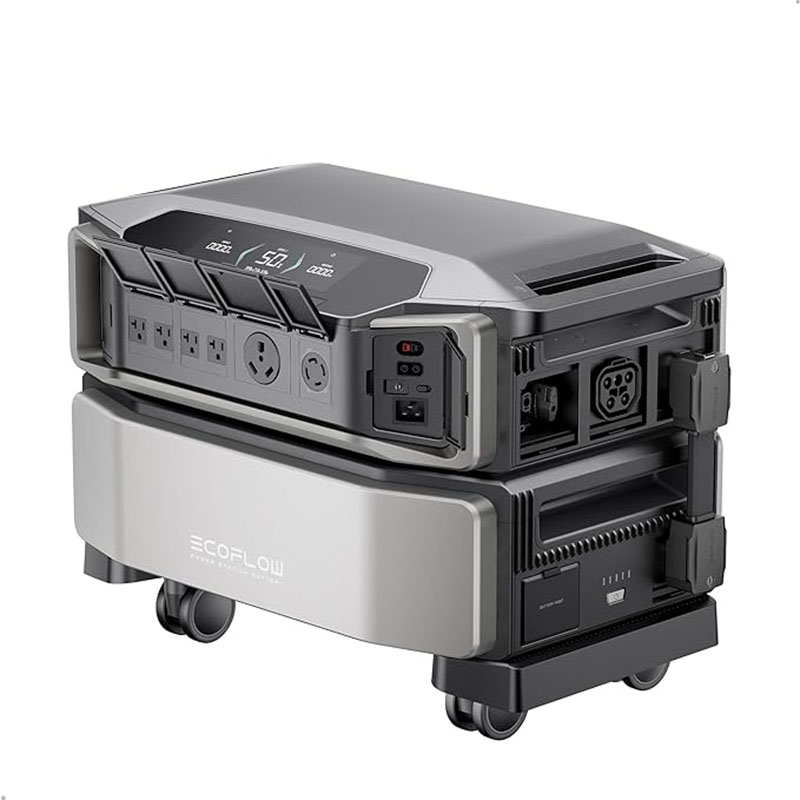
As the global push towards renewable energy intensifies, battery storage solutions for solar panels have become a critical component in enhancing the efficiency and reliability of solar power systems. With increasing demand for clean and sustainable energy, the price of batteries used for solar panels has attracted significant attention from consumers, industry experts, and manufacturers alike. Recent developments in battery technology, coupled with competitive pricing, have paved the way for broader adoption of solar energy systems at residential and commercial levels.
One of the key players in this evolving market is Shenzhen Kesha New Energy Technology Co., Ltd., a cutting-edge company dedicated to the research and production of new energy products. The company emphasizes innovation, safety, and smart technology integration in its product lineup, which includes micro inverters ranging from 300W to 3000W, as well as balcony energy storage solutions. Though the market is saturated with many brands, Shenzhen Kesha New Energy Technology Co., Ltd. distinguishes itself through its thoughtful engineering and user-centric designs.
### Current Trends in Battery Prices for Solar Panels
The cost of batteries compatible with solar panel systems has seen substantial fluctuations in recent years. Factors such as raw material availability, technological advances, manufacturing scale, and global supply chain dynamics heavily influence these prices. Lithium-ion batteries, the dominant technology in solar battery storage, are becoming increasingly affordable due to improvements in production techniques and economies of scale. According to industry analysts, the average price per kilowatt-hour (kWh) for lithium-ion batteries has decreased by nearly 80% over the last decade.
This encouraging trend is crucial for the growth of residential solar power deployment, as the battery represents a significant portion of the overall system cost. Economically priced batteries enable consumers to store excess electricity generated during the day for use at night or during power outages, thereby improving energy independence and reducing reliance on the grid. Moreover, advancements in battery management systems have increased safety and extended battery lifespan, further adding value to the investment.
### Shenzhen Kesha New Energy Technology Co., Ltd.: Innovating Energy Storage
Shenzhen Kesha New Energy Technology Co., Ltd. has positioned itself at the forefront of the new energy revolution by focusing on safer, smarter, and more powerful energy storage solutions tailored for end-users. The company’s extensive research and development efforts have led to the creation of micro inverters and balcony energy storage products designed to maximize solar energy usage while simplifying installation and maintenance.
The micro inverters, available in a range from 300W to 3000W, transform direct current (DC) electricity produced by solar panels into alternating current (AC) electricity usable by household appliances. These devices enhance system efficiency by allowing individual panel-level optimization, which reduces the impact of shading, dust, or panel mismatch on overall performance. The inclusion of smart technology enables remote monitoring and control, giving users real-time insights into their energy production and consumption.
In addition, the company’s balcony energy storage solutions cater to urban dwellers who might not have ample space for traditional solar setups. These compact yet powerful storage systems are designed to integrate seamlessly with existing solar arrays, enabling users to store surplus energy and use it during periods of low solar generation or peak demand. This innovation addresses the growing demand for flexible energy solutions in densely populated areas, where roof space and installation complexity can be limiting factors.
### Safety and Smart Features: A Priority
In the energy storage industry, safety is paramount. Shenzhen Kesha New Energy Technology Co., Ltd. emphasizes rigorous testing protocols and quality controls to ensure that its battery solutions meet international safety standards. Advances such as integrated battery management systems (BMS), temperature control, and short-circuit protection contribute to preventing common failures like overheating, overcharging, or deep discharging.
Smart technology integration further enhances user experience and system longevity. Through intelligent monitoring and data analytics, users can track system performance, predict maintenance needs, and optimize energy usage patterns. Such features not only increase user confidence but also reduce total cost of ownership by minimizing downtime and unexpected repair costs.
### The Future Outlook for Solar Battery Storage
The decline in battery prices combined with technological innovation sets the stage for a vibrant future in solar energy storage. Industry stakeholders anticipate that continued research into alternative chemistries, improved recycling techniques, and smarter grid integration will further drive adoption and cost-effectiveness.
Companies like Shenzhen Kesha New Energy Technology Co., Ltd. will likely play a pivotal role by delivering solutions that balance affordability, efficiency, safety, and convenience. As more end-users seek greater energy independence and resilience, the demand for reliable and user-friendly battery storage systems will grow accordingly.
Governments worldwide are also incentivizing renewable energy adoption through subsidies, tax breaks, and supportive policies, which include provisions for energy storage. This policy environment, coupled with market realities, suggests a promising outlook for solar battery systems.
### Conclusion
In summary, the dynamic landscape of battery prices for solar panel systems underscores a significant shift towards more accessible and effective renewable energy solutions. Shenzhen Kesha New Energy Technology Co., Ltd., with its focus on innovative micro inverters and balcony energy storage, exemplifies how companies are meeting the challenge by offering safer, smarter, and more powerful products.
As battery technology continues to evolve and integration with solar systems improves, consumers can expect enhanced energy autonomy, cost savings, and environmental benefits. The synergy between declining battery costs and technological breakthroughs signifies a bright future for sustainable solar power adoption worldwide.